2026: Fashion That Speaks Pain Without Asking for Attention


In 2026, fashion no longer begs to be seen. It exists quietly, like pain that has learned how to breathe without crying out. Style walks alone now—no crowd, no applause, no mirror held up for validation. It is worn for survival, not performance. People dress as if no one is watching, because in truth, no one is. The era of dressing for approval has faded into the distance, replaced by clothing that understands loss, memory, and endurance. This year’s fashion is shaped by exhaustion. Not the fashionable kind, but the real fatigue that lives in shoulders, in posture, in the way bodies move through crowded streets with their eyes slightly lowered. The silhouettes are loose, not for comfort alone, but for protection—fabric that allows space for thoughts, regrets, and untold stories. Clothes fall naturally, almost sadly, following the body’s quiet confession. Nothing is forced. Nothing is loud
https://www.vogue.com/slideshow/best-vintage-outfits-2026-awards-season
Pain has become a language, and the body is its storyteller. In 2026, you can read someone’s life by the way they walk: slow steps that once rushed, hands that no longer swing freely, and shoulders that have learned responsibility too early. There is sadness in the movement, but also acceptance. Fashion captures that transition—from grief to routine, from heartbreak to normal life. Not healed, just continued.
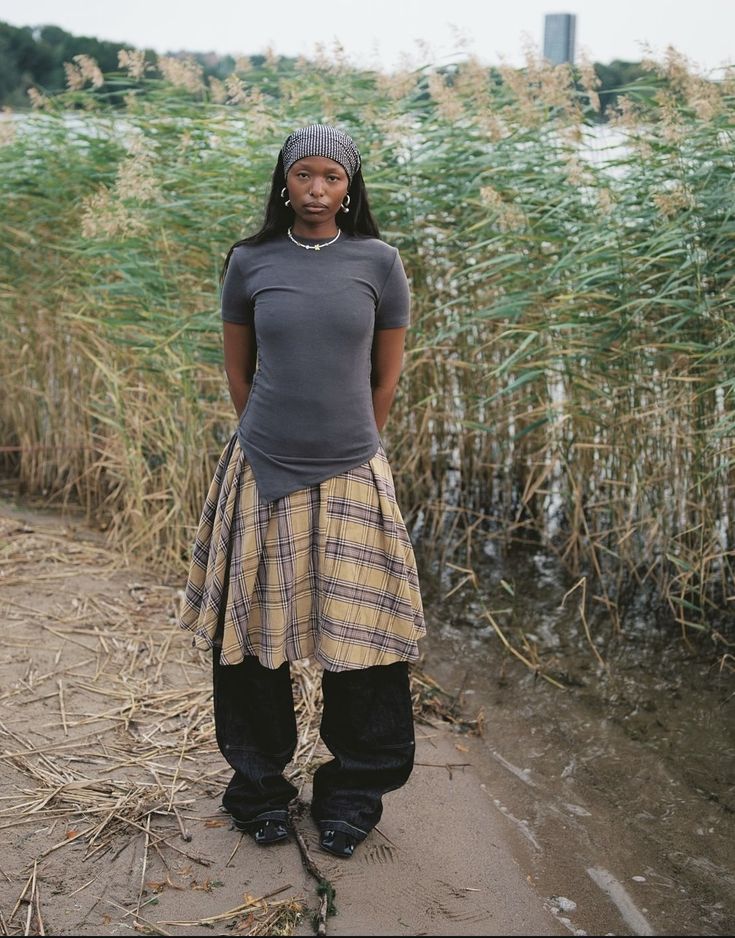
There is distance everywhere. Distance from nature, from sleep, from peace. Eyes stay awake longer than they should, staring into strange ideas we don’t fully understand—money, success, pressure, survival. Breath becomes shallow; weakness shows itself not as collapse, but as persistence. Clothing responds to this reality: layered pieces that feel like armor, muted tones that don’t compete with the mind’s noise, and textures that remind the wearer they are still here.
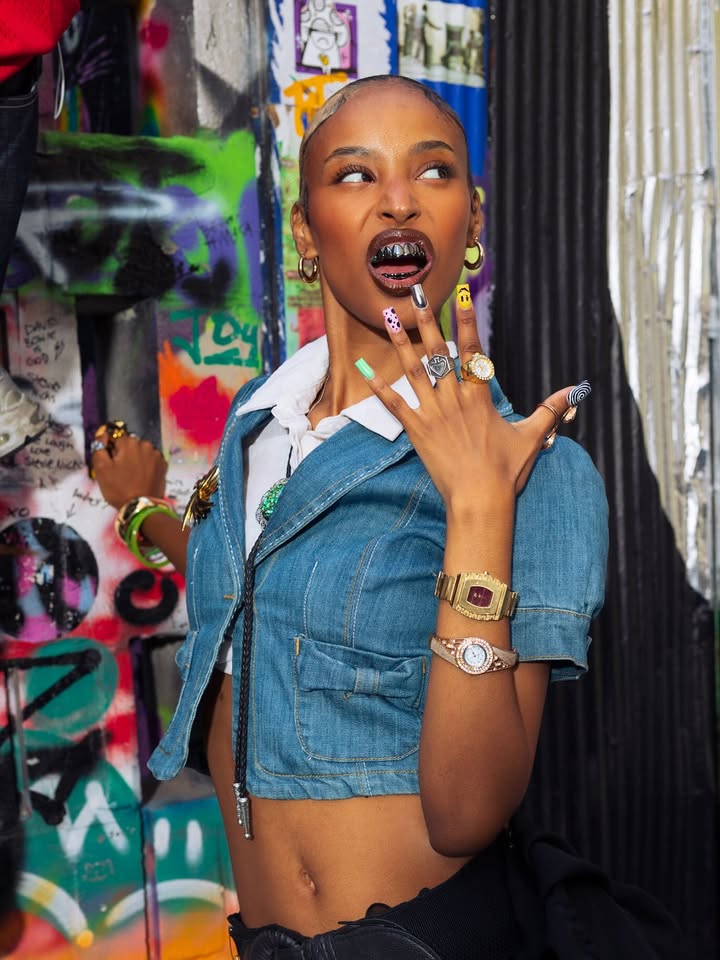
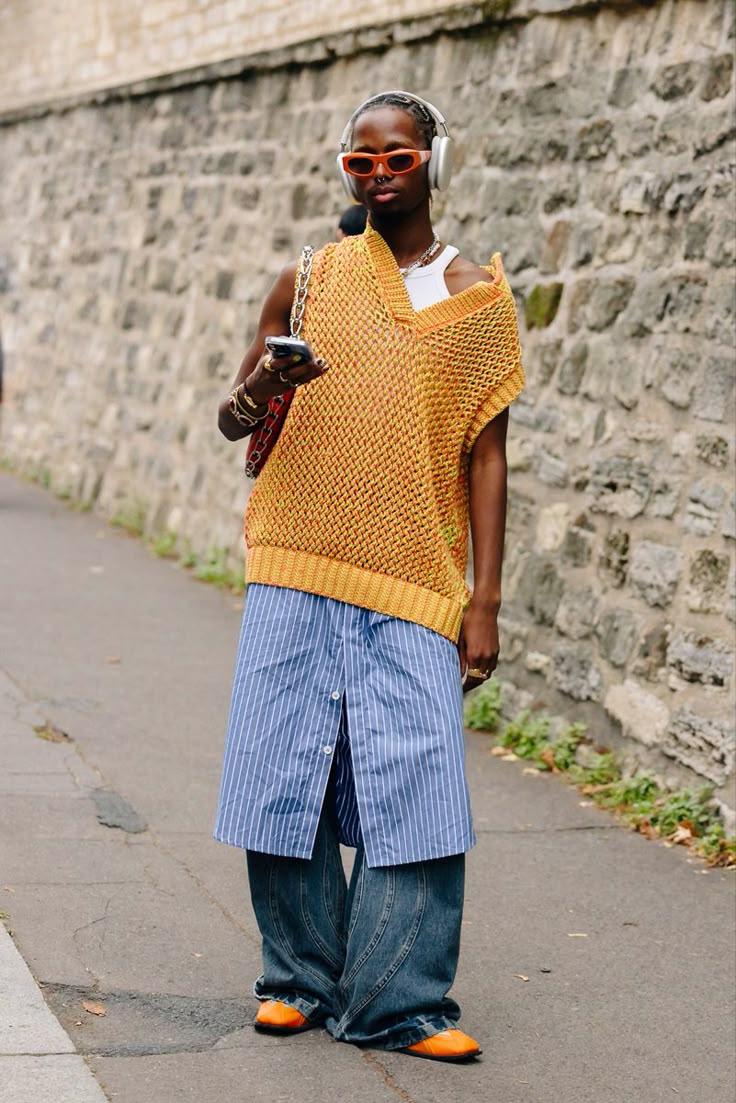
Children, too, have arrived early at adulthood. In 2026, fashion reflects this uncomfortable truth. Young bodies carry adult burdens—money, ambition, sadness—wrapped in oversized jackets and worn-out sneakers paired with expensive accessories. It’s a contradiction that defines the era: wealth without innocence, access without peace. They dress as if they know too much too soon, blending luxury with fatigue and confidence with quiet confusion.
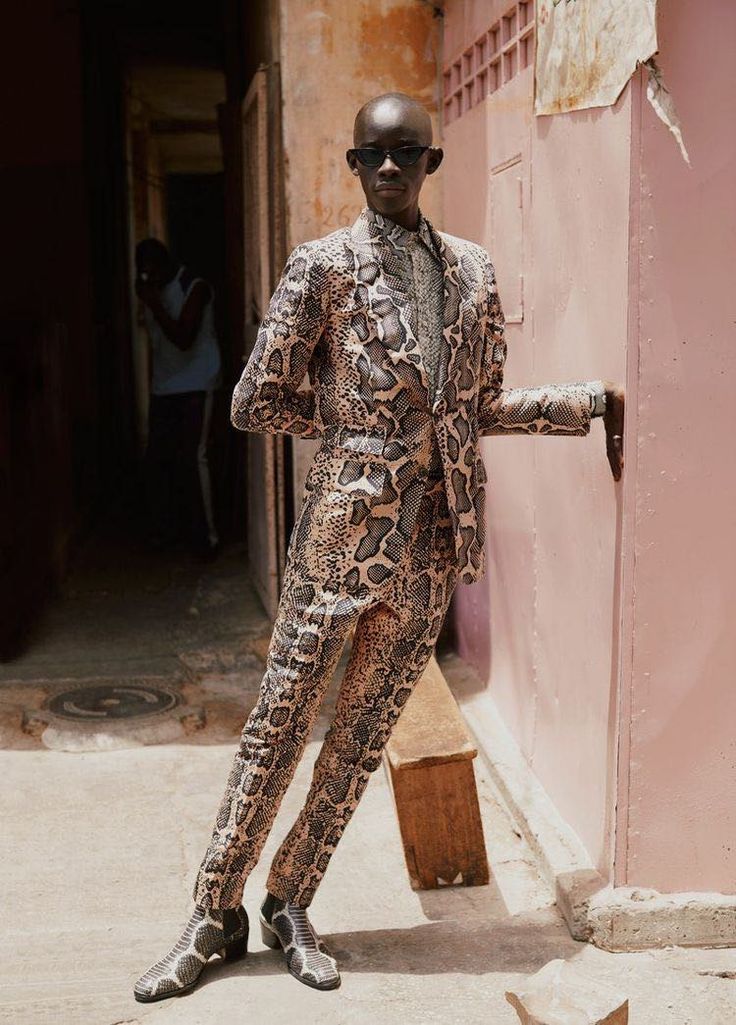
The low-profile look dominates the scene. No exaggerated branding, no screaming logos—yet the designs are undeniably expensive. Wealth hides now. It whispers. Tailored pieces sit calmly on bodies that don’t celebrate success, only acknowledge it. This fashion doesn’t flex; it survives. It reflects a generation that has seen too much to show off.

But beneath this global aesthetic lies a deeper memory—our mothers. Fashion in 2026 carries its stories stitched into seams we rarely acknowledge. The sun’s pressure, the daily risk of making money, and the silent strength of women who sold, worked, and endured. On Market Street, fashion is not theory; it is life. It is sweat, bargaining voices, dust on fabric, and hope folded into plastic bags. Every outfit has a decision made under pressure. Market Street is the real runway. No cameras. No critics. Just buying and selling, survival and creativity colliding. You see pain here, too—but it’s productive pain. Clothes are worn with intention. Colors are chosen with courage. Patterns speak languages older than trend cycles. This is where fashion remembers its purpose.
Africa stands tall in 2026, not through imported runways, but through its streets. Creativity here does not ask permission. Style is simple, powerful, and deeply human. No curated chaos—just real life shaping real aesthetics. Bright colors against tired faces. Handmade details against modern pressure. Fashion is born from how people see life, not how life wants to see them.
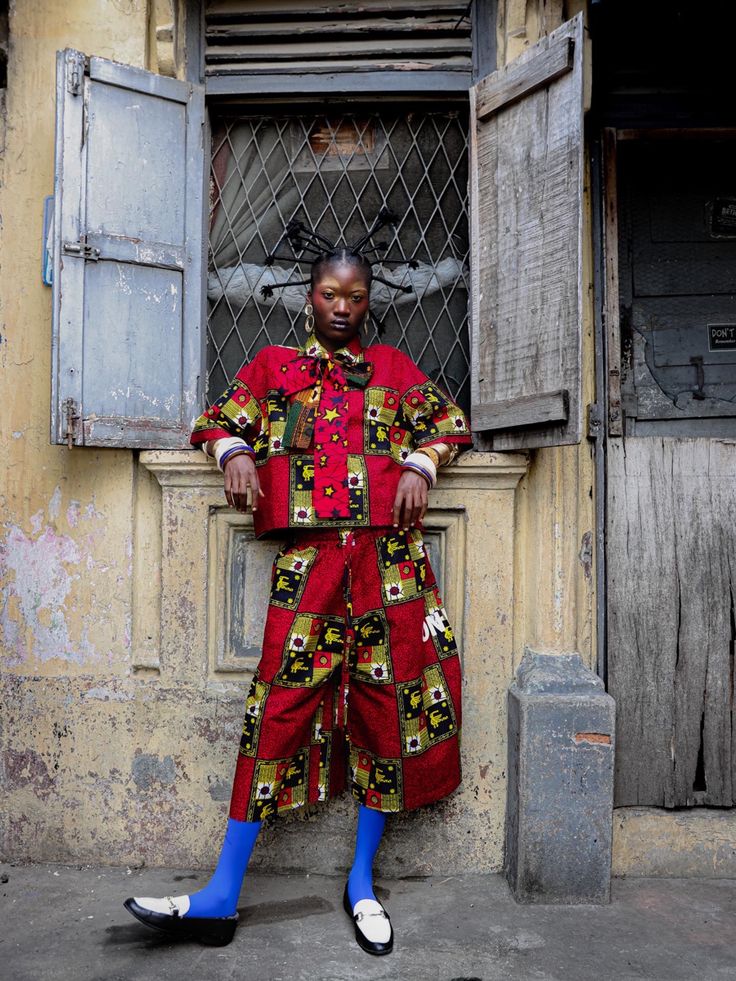
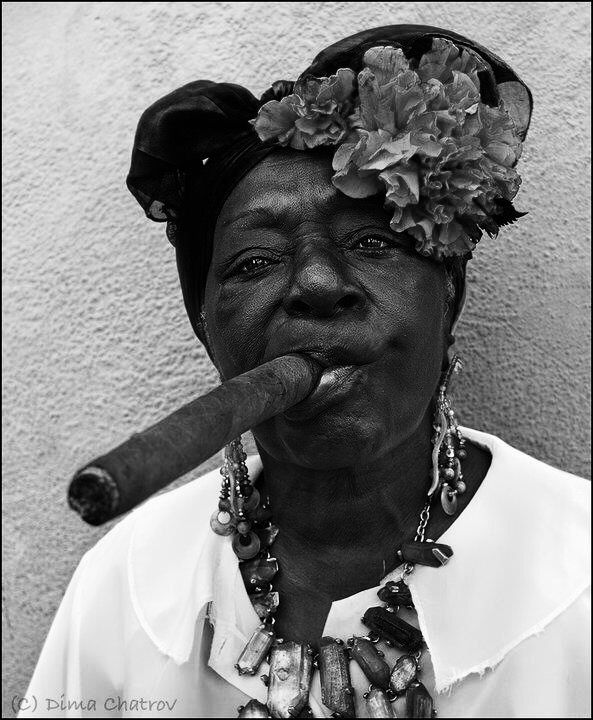
There is no single definition of beauty this year. Beauty is a woman standing all day and still tying her headwrap with pride. Beauty is a young man wearing a clean shirt over a heavy heart. Beauty is reuse, repair, and resilience. Fashion has become memory-aware—it knows where it came from.
2026 fashion is advanced not because it is futuristic, but because it is honest. It doesn’t escape pain; it documents it. It doesn’t glamorize struggle; it respects it. It understands that style is not about trends but about time—what we’ve lost, what we carry, and how we choose to keep walking.